Sports Logo Power: Unlocking Impactful Visual Identity for Teams
Sports logo design explained—what makes them memorable, how to craft one, and why they matter for teams and brands.
A sports logo captures a team’s spirit in one bold visual mark—combining colour, shape and symbolism to become an instantly recognisable brand that unites fans and drives identity.
Sports Logo – The Ultimate Guide 🎯
Ever thought why some team emblems stick in your mind long after the game ends? The answer lies in the art of the sports logo—that simple mark you spot on jerseys, banners and hats, yet it carries so much meaning. Today I’m going to walk you through everything about sports logos: what they are, why they matter, how they’re built, and how you can design one that pops.
What A Sports Logo Really Means
When a team chooses a sports logo, they’re choosing far more than an image. This logo becomes:
- A visual story of history, values and identity.
- A rallying point for fans—“that’s us”.
- A brand asset with real power (merchandise, digital, and more).
In short: a sports logo isn’t just decoration—it’s a strategic mark that lives in hearts and media.
The Underlying Search Intent Behind “Sports Logo”
When people search “sports logo” they usually fall into one of these intents:
- Information intent: “What is a sports logo? How is it created?”
- Design intent: “How do I design my team’s sports logo?”
- Branding intent: “Why is a sports logo important for a team or sports brand?”
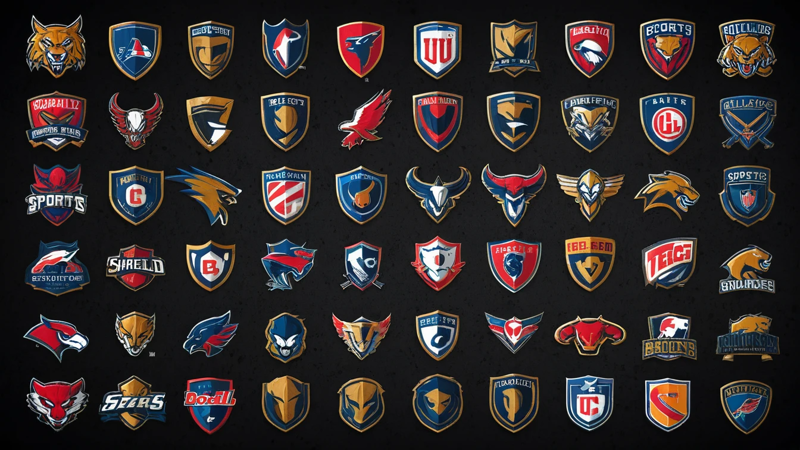
- Inspiration intent: “Show me great examples of sports logos.”
So this article covers all those bases: what, why, how, examples and practical tips.
Why Sports Logos Matter
Sports logos matter for so many reasons. First, they create identity. A logo becomes the face of your team—recognisable to fans and rivals alike.
Second, they build emotional connection. Every time someone sees that logo on a jersey, hat or banner, they feel part of something.
Third, they help branding and growth. A strong logo supports merchandising, social media presence, and sponsorships.
In today’s digital world your logo also needs to work across screens, apps and merchandise—so it must be designed with flexibility in mind.
Key Elements That Make A Strong Sports Logo
Let’s break down what makes a sports logo work. Strong logos often include:
| Element | Description |
| Simplicity | Clear shapes, easy to recognise even when small |
| Colour Palette | Bold distinct colours that represent the team’s identity |
| Symbolism | Imagery or shapes that convey meaning (mascot, shield) |
| Font/Wordmark | If there’s text, the typography supports the image |
| Versatility | Works on jersey, hat, print, digital and small sizes |
When all these come together you have a mark that stands out, lasts, and multiplies across platforms.
Common Styles of Sports Logos 🏆
There are multiple styles teams pick when designing logos. Some popular ones:
- Mascot Based: an animal, warrior, figure (e.g., a bear, eagle, knight).
- Emblem/Shield: crest or badge style with name, established date, etc.
- Wordmark/Icon Mix: text plus simple symbol.
- Minimal/Modern: clean lines, less detail, often for digital uses.
Choosing the right style depends on your sport, fanbase, and desired brand attitude (serious, fun, elite, grassroots).
Iconic Examples Across Sports
If you look around you’ll find sports logos that are instantly recognizable and loaded with meaning. Here are just a few:
- The famous winged “swoosh” of Nike (though more a brand than a team) symbolised motion and victory.
- The lasting “spoked B” of Boston Bruins that links city heritage and team identity.
- The “wishbone-C” design movement in several American team logos, blending letter-shape and tradition.
These examples show how design, history and context merge into powerful identity.
How To Create A Sports Logo – Step-by-Step
Okay so you want to design a sports logo. Here’s a simple process you can follow:
- Define the brand story:
- Who is the team? What is your identity, values and culture?
- What emotion do you want to evoke in fans?
- Research & brainstorm:
- Look at competitor logos and styles.
- Pick imagery, colours, typefaces that reflect your story.
- Sketch & prototype:
- Draw rough versions of icons, badges, letterforms.
- Explore mascot, shield, abstract symbol options.
- Choose final design elements:
- Decide on palette (2-3 colours).
- Select typography (clean, bold).
- Ensure symbol is simple and reproducible.
- Test and refine:
- Does it work when scaled small (hat, mobile icon)?
- Does it still read in black & white or on different backgrounds?
- Get feedback from fans/stakeholders.
- Finalise and rollout:
- Export in vector format (SVG, EPS) so it can scale.
- Create alternate versions (horizontal, icon only, simplified).
- Develop usage guidelines: where to use what version, spacing, colours.
Following this process means you’ll get a logo that’s both beautiful and practical.
Mistakes To Avoid When Designing Sports Logos
When you’re in logo-design mode, steer clear of these common pitfalls:
- Using too many colours (makes reproduction hard).
- Excessive detail (won’t scale down well on hats or apps).
- Copying or using generic clip-art (reduces uniqueness).
- Ignoring brand story or fan connection (a logo may look nice but feel empty).
- Forgetting about digital use (must look good on mobile, social, kit etc).
Keep things focused, functional and aligned with your team’s soul.
Logo Placement & Versatility Across Platforms
Your sports logo doesn’t live only on a jersey. It shows up on:
- Helmet, uniform, hat, flags
- Website, social media profiles
- Merchandise (shirts, mugs, stickers)
- Marketing materials, stadium signage
Because of that you need variations:
- Full-colour version
- Monochrome version
- Simplified icon version
And you need to consider how it works on dark vs light backgrounds. Thinking multi-platform from the start saves you future headaches.
Colour Psychology in Sports Logo Design
Colours carry meaning—especially in sports branding. Here’s a quick breakdown:
| Colour | Associated Emotion/Message |
| Red | Energy, passion, aggression |
| Blue | Trust, confidence, stability |
| Black | Power, elegance, intensity |
| Gold/Yellow | Success, prestige, excellence |
| Green | Growth, freshness, endurance |
So when your team chooses colours it’s not just aesthetic—it’s telling part of the story. Choose wisely.
Mascots, Symbols & Visual Identity
Symbols and mascots give logos personality. Some teams adopt animals, mythical creatures or figures representing strength, unity or local culture.
For example, think of a lion for bravery, eagle for freedom, shark for aggression. These symbols bring narrative. They help fans feel something when they look at that mark.
When you pair symbol with good typography and colours you shape an identity—not just an arbitrary mark but a representation of team values and history.
Branding Beyond The Field
A strong sports logo sets up branding opportunities beyond the game:
- Merchandise sales (fans buy hats, shirts with the logo)
- Sponsorship value (brands want associating with strong identity)
- Digital media use (website, apps, social content)
- Community & youth programs—logo becomes badge of belonging
In today’s environment where content is constant, your logo is part of the brand story you tell everywhere.
Refreshing Or Redesigning Your Sports Logo
Sometimes a logo needs updating or redesigning. Why? Maybe the brand story has evolved, trends have changed, or reproduction requirements (digital vs print) demand tweaks.
When you refresh, keep in mind:
- Don’t throw away everything (fans hate sudden radical changes if they lose identity).
- Introduce evolution, not revolution (refinement rather than full reboot).
- Announce the change with story: why you changed, what’s new, what remains.
- Ensure all versions are transitioned cleanly (uniforms, merch, media assets).
Logo redesigns can cause pushback—but with proper communication and justification, they become opportunities.
Licensing, Trademark & Legal Considerations
A sports logo isn’t just art—it’s intellectual property. Teams must ensure:
- They own the rights (do not use unlicensed imagery or fonts).
- They trademark the mark in relevant jurisdictions.
- They manage usage guidelines (to protect brand integrity).
- They monitor unauthorised use (counterfeits, misuse).
If you’re designing one for your own team or club, don’t skip the legal steps. It helps you protect your brand long-term.
Budgeting For Logo Creation
You might ask: “How much will it cost to create a sports logo?” Good question. Costs vary wildly depending on approach:
- DIY with online logo maker = Low cost (can still get decent result).
- Freelancer or design agency = Mid to High cost.
- Full branding package (logo + guidelines + rollout) = Higher cost.
Here’s a rough breakdown:
| Budget Level | What You Get |
| Small / DIY | Basic logo, limited variations, fewer rights |
| Mid (Freelancer) | Custom design, multiple concepts, source files |
| Professional Agency | Full brand system, guidelines, rollout strategy |
Decide upfront what resources you have, and pick a route that gives you the value you need.
Trends in Sports Logo Design
Logo design evolves, and sports logos follow trends too. Some current directions:
- Flat minimalism (less depth, simpler shapes)
- Responsive logos (variations that adapt to mobile, social, apps)
- Retro/heritage re-imagining (honouring history but with cleaner execution)
- Animated versions for digital presence
- Eco/conscious design (simpler, fewer colours, sustainability in production)
Keeping an eye on trends helps you avoid a design that feels outdated too quickly.
How Fans Interact With The Logo
Remember: the logo isn’t just for the marketing team—it’s for fans. When a fan puts on a jersey or hat with the logo:
- They feel part of something bigger.
- They recognise the brand instantly.
- They help spread it (photos, social posts, word of mouth).
So the logo must feel good to wear and share. It must resonate emotionally, visually, socially.
Conclusion
A sports logo might seem like a small visual mark, but it carries huge weight. It captures identity, tells a story, builds brand value and connects with fans. Whether you’re deciding on colours, choosing a mascot, designing for digital or print, every decision matters. Focus on simplicity, versatility, story and emotion—and you’ll create a logo that stands strong across platforms and years. And always remember: your logo isn’t just for now—it’s for the legacy you’ll build.
FAQs
What makes a good sports team logo design?
A good sports team logo is simple, memorable, versatile and aligned with team identity. It uses colours and symbols that evoke emotion and can scale across merchandise and digital platforms.
How can I design a sports logo for my club?
Start by defining your club’s values, research other logos for style, sketch ideas, pick colours and fonts, test for size/downscaling, and finalise with vector files and usage guidelines.
What colours should I choose for a sports emblem?
Pick colours that reflect your team’s story and emotions: e.g., red for energy, blue for trust, gold for prestige. Keep it to 2-3 main colours and ensure it looks good in monochrome.
When should a sports logo be refreshed or redesigned?
Consider redesigning if your brand has evolved, if reproduction across digital/print is inconsistent, or if the logo feels outdated. But keep respect for fan attachment by evolving rather than replacing wholesale.
Do I need to trademark my sports logo?
Yes — if you want legal protection and control over merchandise and brand usage. Register your logo, ensure usage guidelines, and monitor for unauthorized use to maintain brand integrity.