Sports Hernia Explained: Powerful Relief and Positive Recovery
Sports hernia causes stubborn groin pain in athletes. Learn symptoms, causes, treatment options, and recovery tips in this complete guide.
A sports hernia is a painful soft tissue injury in the groin area, common in athletes who twist or pivot often. It causes ongoing groin pain without a visible bulge and usually needs rest, physical therapy, or surgery for full recovery.
Ever had groin pain that just won’t go away—no matter how much rest you take?
That lingering pain might not be a simple strain. It could be a sports hernia, a tricky injury many active people overlook.
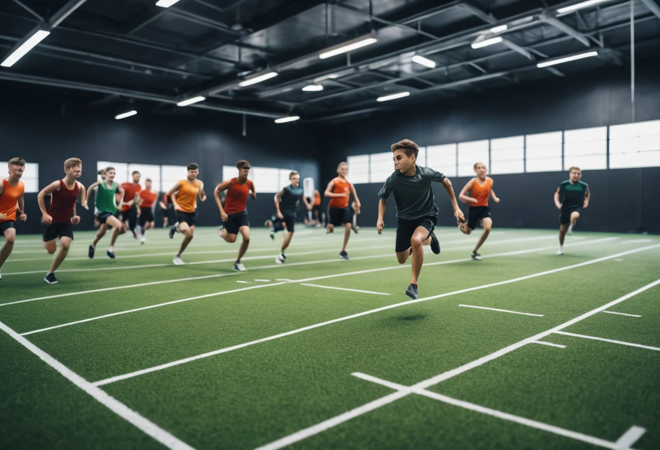
A sports hernia, also called athletic pubalgia, is not a true hernia. There’s no bulge. Instead, it’s a tear or strain in the soft tissues of the lower abdomen or groin. It often affects athletes who sprint, twist, or change direction fast ⚽🏃♂️.
Sports Hernia: What It Really Means 🩺
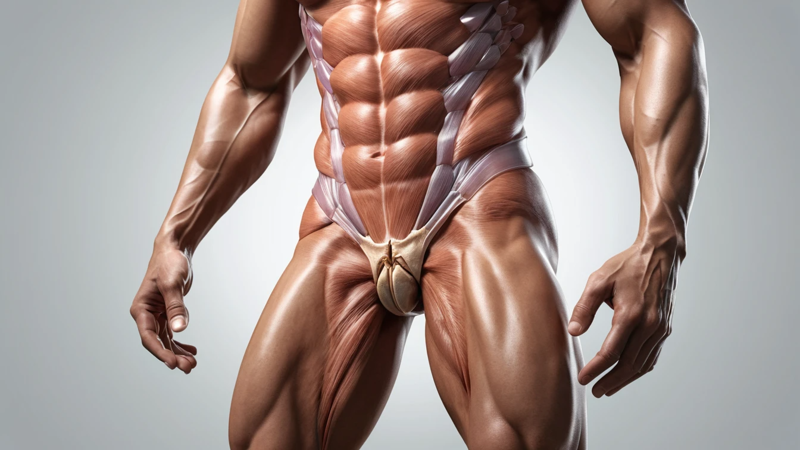
A sports hernia happens when muscles, tendons, or ligaments in the groin weaken or tear. This area connects your core to your legs. When it fails, pain follows.
Unlike traditional hernias, nothing pushes through the muscle wall. That’s why it’s hard to spot. Pain usually builds slowly and worsens with activity.
Commonly affected people include:
- Soccer players
- Hockey players
- Runners
- Football athletes
Pain may ease with rest but often returns fast.
Why Sports Hernias Are So Common In Athletes 🏋️♀️
Athletes push their bodies hard. The groin takes a beating during sudden movements.
Fast twisting, sharp turns, and explosive sprints strain the core muscles. Over time, tiny tears form. Eventually, the tissue gives up.
Risk factors include:
- Weak core muscles
- Tight hip flexors
- Poor training form
- Overuse without recovery
The body sends warning signs early. Many ignore them.
Sports Hernia Vs Inguinal Hernia ⚖️
People often confuse these two conditions. They sound alike but behave differently.
| Sports Hernia | Inguinal Hernia |
| No visible bulge | Noticeable bulge |
| Soft tissue injury | Organ pushes through muscle |
| Pain with movement | Pain when lifting or coughing |
| Common in athletes | Common in general population |
This difference matters. Treatment paths are not the same.
Early Sports Hernia Symptoms You Shouldn’t Ignore 🚨
Sports hernia pain doesn’t scream at first. It whispers. Then it grows louder.
Early signs include:
- Deep groin pain on one side
- Pain during sprinting or twisting
- Tenderness near the pubic bone
- Discomfort when coughing or sneezing
Pain often improves with rest. That false relief delays diagnosis.
Advanced Symptoms As The Injury Gets Worse 😣
Without treatment, symptoms escalate fast.
You may notice:
- Pain spreading to inner thigh
- Weakness in the groin
- Pain during simple movements
- Trouble standing up straight
At this stage, daily life feels harder. Sports feel impossible.
What Causes A Sports Hernia? 🔍
Sports hernias form from imbalance. Strong leg muscles pull against a weaker core.
The stress focuses on the groin junction. Over time, tissue breaks down.
Common causes include:
- Sudden direction changes
- Repetitive kicking motions
- Heavy lifting with poor form
- Core weakness
Think of it like a rope fraying under constant tension.
How Doctors Diagnose A Sports Hernia 🧠
Diagnosis takes skill. There’s no single test.
Doctors start with a physical exam. They press the groin and test movement. Pain responses guide them.
Imaging helps confirm:
- MRI scans show soft tissue damage
- Ultrasounds rule out other hernias
Accurate diagnosis prevents wasted treatment time.
Conditions Often Confused With Sports Hernia 🔄
Groin pain has many causes. Doctors must rule out others.
| Condition | Key Difference |
| Hip labral tear | Pain deep in hip joint |
| Adductor strain | Pain improves faster |
| Osteitis pubis | Bone inflammation |
| Inguinal hernia | Visible bulge |
Correct diagnosis changes everything.
Can A Sports Hernia Heal On Its Own? 🤔
Mild cases might improve with rest. But most don’t fully heal alone.
Pain often returns once activity resumes. That’s the trap.
Healing depends on:
- Injury severity
- Activity level
- Early treatment
Ignoring it usually leads to surgery later.
Non-Surgical Treatment Options 🧘♂️
Doctors try conservative care first. This works best early.
Common options include:
- Rest from sports
- Anti-inflammatory medication
- Ice and heat therapy
- Physical therapy
Physical therapy focuses on core strength and balance.
Physical Therapy For Sports Hernia Recovery 🏃♀️
Targeted therapy can reduce pain and restore movement.
Therapists work on:
- Core stabilization
- Hip mobility
- Muscle balance
- Gradual return to sport
Consistency matters more than intensity.
| Therapy Focus | Benefit |
| Core strengthening | Reduces groin stress |
| Hip flexibility | Improves movement |
| Balance training | Prevents re-injury |
Many athletes return stronger than before 💪.
When Sports Hernia Surgery Becomes Necessary 🏥
If pain lasts over 6–8 weeks, surgery is often advised.
Surgery repairs torn tissue and reinforces weak areas. Most procedures are minimally invasive.
Doctors recommend surgery when:
- Pain limits daily life
- Therapy fails
- Imaging confirms tears
The success rate is high.
What Sports Hernia Surgery Is Really Like 🔧
Modern surgery is quick and precise.
Most patients:
- Go home the same day
- Walk within hours
- Start rehab within days
Surgeons may use mesh or sutures, depending on damage.
Pain after surgery is usually mild.
Sports Hernia Recovery Timeline ⏳
Recovery happens in stages. Rushing it risks re-injury.
| Timeframe | What To Expect |
| Week 1–2 | Walking, light movement |
| Week 3–4 | Core rehab begins |
| Week 6–8 | Sport-specific drills |
| Week 10–12 | Full return to play |
Listening to your body is key.
Returning To Sports Safely 🏆
Returning too soon is a mistake many athletes make.
Before returning, you should:
- Be pain-free
- Have full strength
- Move without hesitation
Coaches and therapists should guide the process.
Smart recovery protects your future.
Preventing A Sports Hernia In The Future 🛡️
Prevention starts with balance.
Simple habits help:
- Strengthen core muscles
- Stretch hips and groin
- Warm up properly
- Rest between intense sessions
Your body performs best when supported evenly.
Long-Term Outlook After A Sports Hernia 🌟
The good news? Most athletes recover fully.
With proper treatment:
- Pain resolves
- Strength returns
- Performance improves
Many pros return to elite levels. You can too.
Key Takeaways On Sports Hernia ✅
A sports hernia is sneaky but treatable. Early symptoms matter. Ignoring pain delays healing. With the right care—therapy or surgery—most people return to full activity stronger and smarter than before.
FAQs About Sports Hernia
What does a sports hernia feel like in athletes?
It feels like deep groin pain that worsens with movement. Rest may help briefly. Pain often returns during activity.
How long does sports hernia pain last without surgery?
Pain can last months or longer. It often returns after rest. Many cases eventually need surgery.
Can you walk with a sports hernia injury?
Yes, walking is usually possible. Running or twisting hurts more. Pain increases with intensity.
Is sports hernia surgery worth it for athletes?
Yes, success rates are high. Most athletes return to play. Recovery is usually smooth.
What exercises help prevent sports hernia pain?
Core strengthening and hip mobility exercises help most. Balance training also reduces risk. Consistency matters.